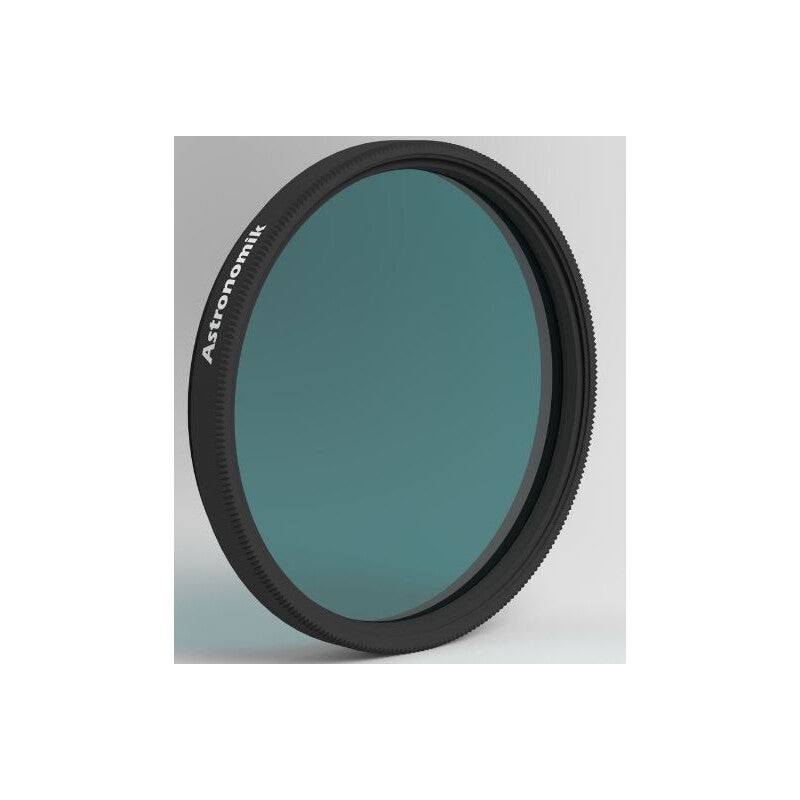
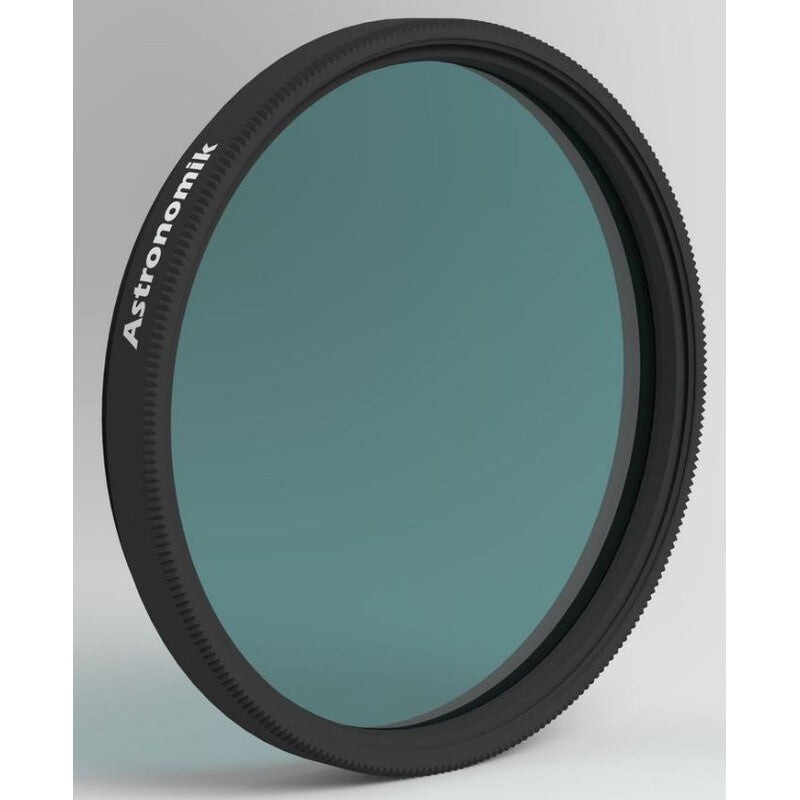
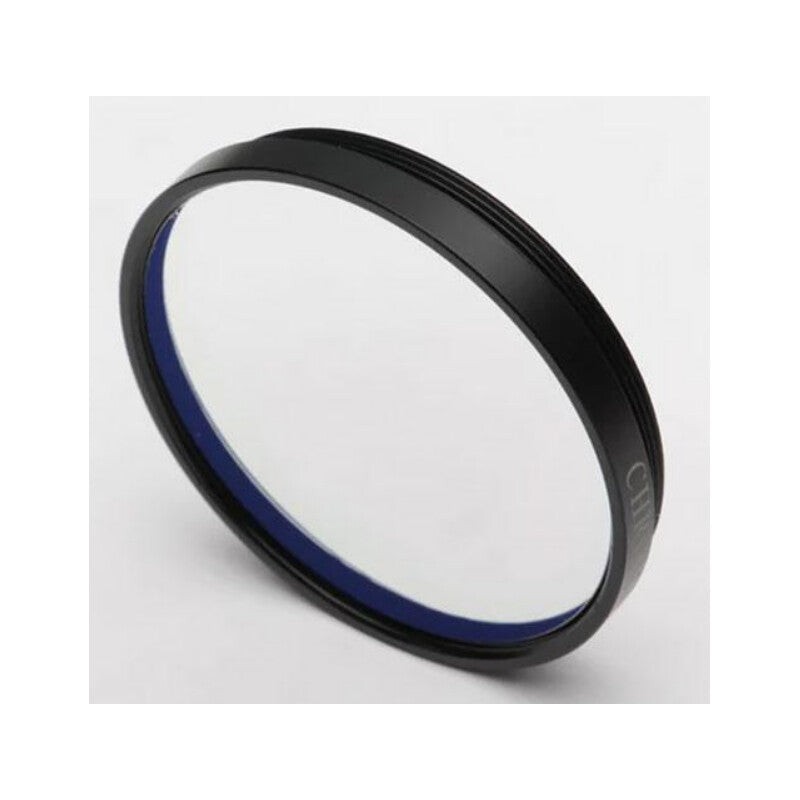
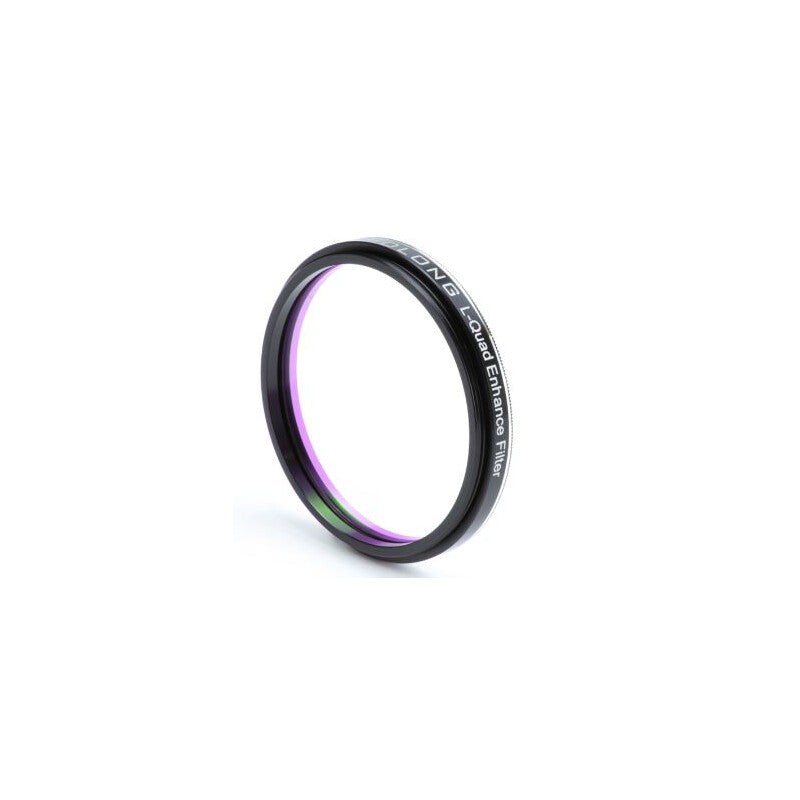
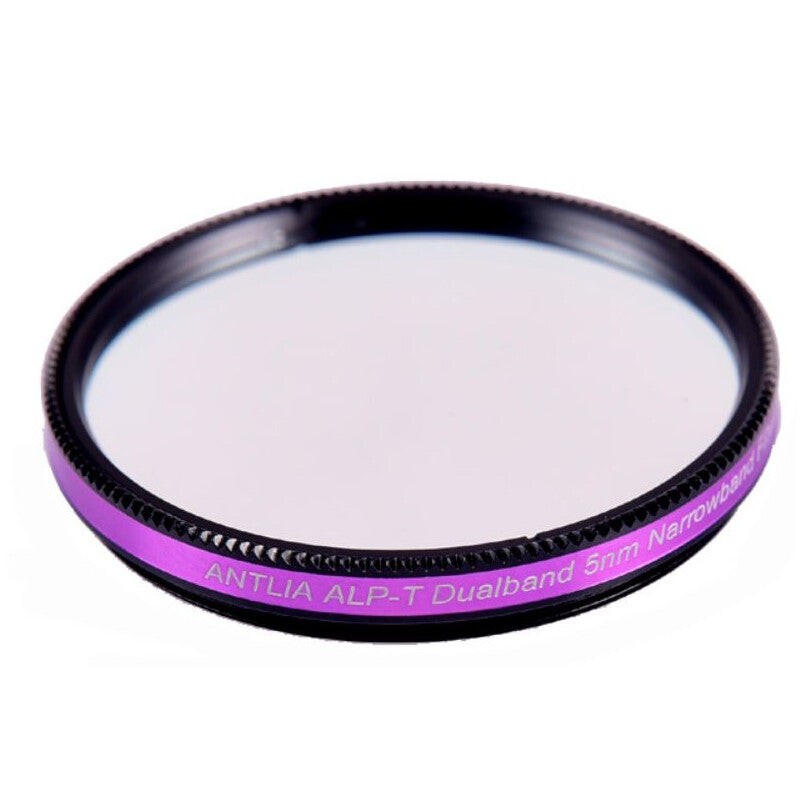
Astronomik H-beta visual 2" — for faint hydrogen nebulae The Astronomik H-beta filter is designed for visual observation with larger telescopes. It passes the 486 nm H-beta line almost unobstructed while blocking the rest of the spectrum, so low-contrast hydrogen regions that are nearly invisible without a filter can stand out against the sky.
Manufacturer model: Astronomik H-beta visual 2" (M48), 10214200 · Specifications checked against manufacturer data on 2026-11-03
Astronomik H-beta visual 2" — for faint hydrogen nebulae
The Astronomik H-beta filter is designed for visual observation with larger telescopes. It passes the 486 nm H-beta line almost unobstructed while blocking the rest of the spectrum, so low-contrast hydrogen regions that are nearly invisible without a filter can stand out against the sky.
Classic targets
With telescopes of 10 to 12 inches (250–300 mm) aperture, the H-beta filter makes objects such as the Horsehead Nebula observable. It works best on telescopes of 8 inches (200 mm) or larger, and Astronomik recommends focal ratios between f/4.5 and f/6. Stars stay as sharp as without a filter.
When to use it
Astronomik rates the H-beta filter as very good under dark skies, but useful for only a few objects. It is unsuitable for urban skies; for general nebula observing there, the UHC or OIII filters are the better choice.
Astronomik H-beta visual 2" — for faint hydrogen nebulae The Astronomik H-beta filter is designed for visual observation with larger telescopes. It passes the 486 nm H-beta line almost unobstructed while blocking the rest of the spectrum, so low-contrast hydrogen regions that are nearly invisible without a filter can stand out against the sky.
Manufacturer model: Astronomik H-beta visual 2" (M48), 10214200 · Specifications checked against manufacturer data on 2026-11-03